
Powder coating
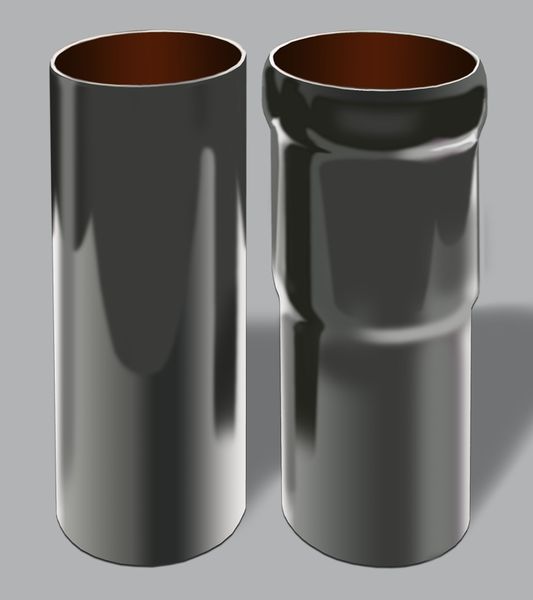
LORO-X steel drain pipes and LORO-X Red.-Steck rainwater downpipes with factory-applied internal coating are generally suitable for subsequent external powder coating, varnishing or painting to adapt their appearance to the building.
LORO does not apply these coatings at the factory, as the risk of transport-related visual defects after coating increases. We recommend having the coating applied on site by a specialist company. A coating has no negative effect on the durability of the hot-dip galvanizing.
With hot-dip galvanized pipes, the galvanizing process must be completed. This is usually the case approx. 8-10 days after galvanizing. If powder coating is carried out before the chemical galvanizing process is completed, adhesion problems of the zinc on the pipe may occur, which can lead to zinc flaking.
We would like to point out explicitly that hot-dip galvanizing is intended as a protective surface against external influences. Subsequent powder coating/painting is in most cases purely for visual reasons.
Notes
Based on our experience from discussions with customers, we would like to point out the following:
- With hot-dip galvanized steel, surface irregularities are unavoidable and may be more visible after a coloured coating. We recommend having sample pieces coated by the respective coating company beforehand.
- Before coating, the surface of the pipes and fittings should be fine-cleaned, e.g. by removing "zinc drips". The pretreatment is usually carried out by the specialist companies themselves, but for safety reasons this should be pointed out beforehand.
- Steel drain pipes are provided with an additional internal coating that can cause outgassing at high coating temperatures. We therefore recommend always using a low-temperature coating process.
- As an alternative to powder coating, subsequent wet coating can also be considered. Subsequent coating ensures that the pipe clamps and sealing elements show no colour differences.
- Depending on the powder coating used and the substrate to be coated, temperatures between 130 °C and 240 °C are required. Due to various effects, slight mass losses in the form of emissions may occur in the curing oven. It should therefore be checked in particular which pigment and/or binder was used.