Systems for combined main and emergency drainage with one outlet
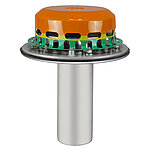
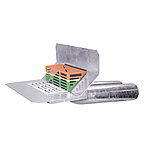
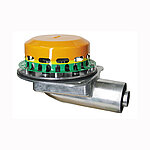
LORO-X Main-Emergency-Combination
safe and space-saving with only one visible downpipe
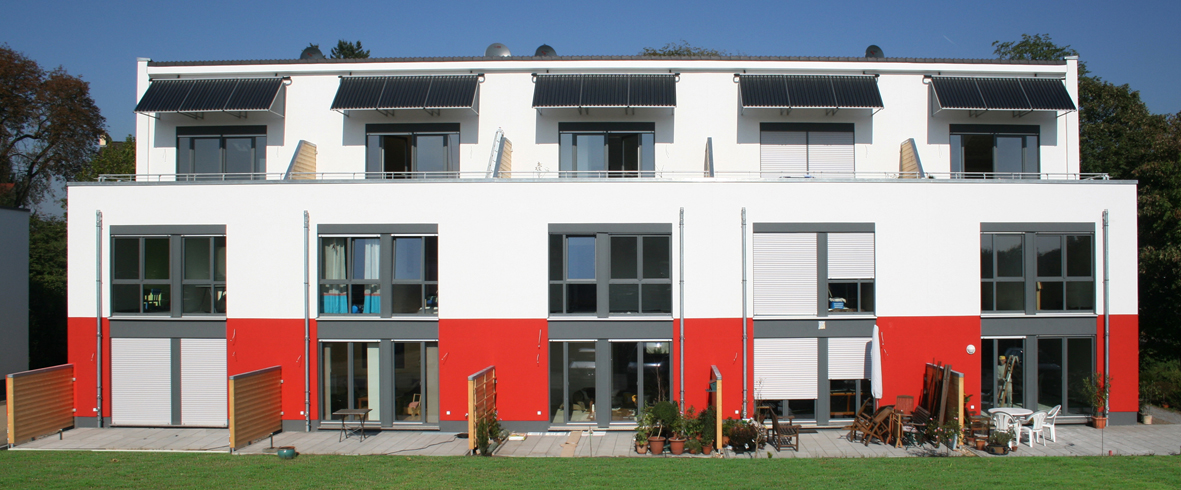
Modern roof drainage systems made of hot-dip galvanized steel can combine the function of main drainage with emergency drainage in one system. Optimized for the needs of modern residential and commercial construction, new parapet drainage systems drain quietly and quickly with high flow capacity. The reliable emergency drainage is already integrated.
"Easy to plan, quick to install and reliable in performance verification." This is how the reactions of many roofers to the new main-emergency-combination parapet drainage systems at the trade fair stand of system provider LORO can be summarized. But what does this mean specifically for the roofer?
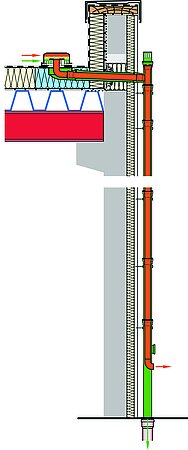
What does "main-emergency-combination" mean?
Fundamentally, a flat roof is drained by a main drainage into the ground pipe and an additional emergency drainage onto a harmlessly freely floodable surface.
Normally, 2 separate drains are required per low point on the roof: 1 main drain that runs constantly and 1 emergency drain with a damming element that only drains to the outside in case of the century rain or backflow from the ground pipe.
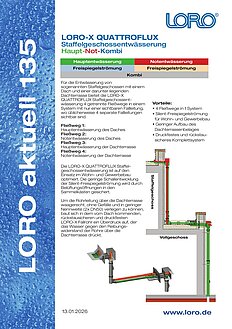
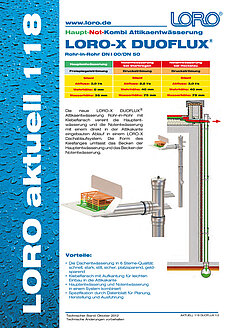
A main-emergency-combination system combines the main and emergency drainage function in just one drain while still securing two separate flow paths that do not influence each other.
However, only 1 drain needs to be sealed and only 1 penetration through the parapet needs to be created. Common are pipe-in-pipe or double pipe drains.
Areas of application
Every flat roof and low-pitched roof can be drained with main-emergency-combination systems. The advantage over separate systems becomes most evident especially with small and medium-sized roof areas between 50 and 500m².
Example: For a partial area of approx. 150m², normally at least 2 separate drains and downpipes are required, whereas the effort is halved when using a main-emergency-combination system. The optical advantage is an additional argument in modern residential and commercial construction, as only one visible downpipe is needed.
Depending on the size, condition and use of the roof area, several main-emergency-combination systems are available.
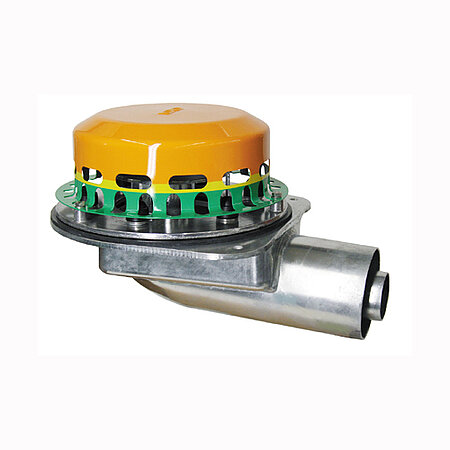
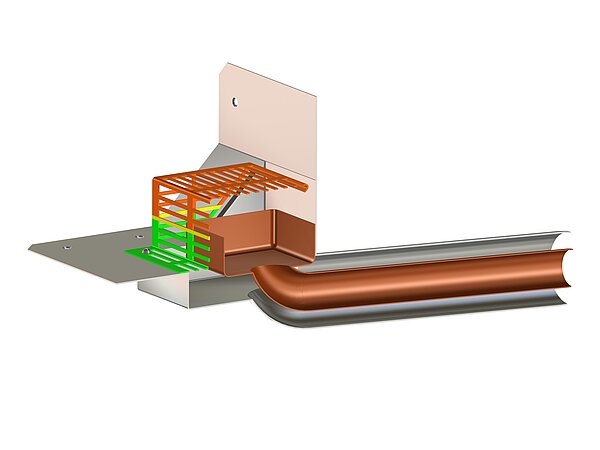
Pipe-in-pipe
A proven solution for the main-emergency-combination parapet drainage has been the innovative pipe-in-pipe complete system LX772 from LORO for years.
According to the patented pipe-in-pipe technology, the pipe for emergency drainage in DN50 is routed "invisibly" inside the main drainage in DN100, without the two flows being able to influence each other. The reduction of the cross-section of the DN100 main drainage ensures optimal use of space with more water and less air and thus also provides a better self-cleaning effect.
The internal emergency drainage in DN50 is designed as a powerful siphonic flow.
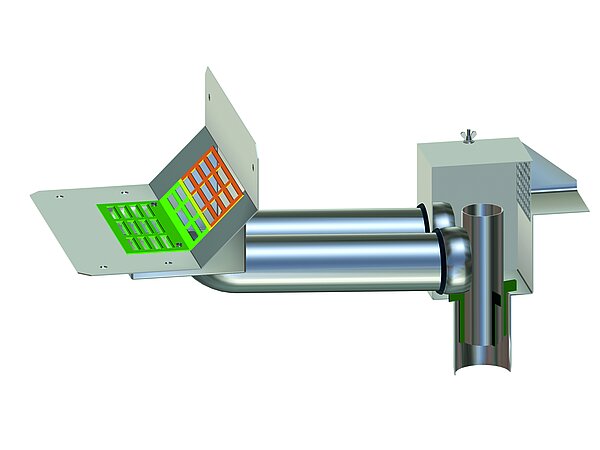
Double pipe
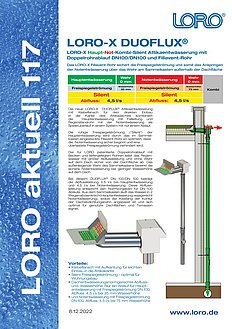
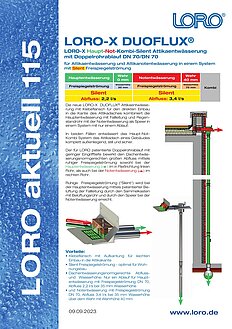
Another option is the LORO-X DUOFLUX double pipe solutions.
For example in DN70/70 for up to 75m² per main-emergency-combination drain or in DN100/100 up to approx. 150m².
Despite the low penetration depth of the double pipe drain of only 52mm in the DN70 version, the left drain pipe drains 2.2 l/s at only 35mm water height on the roof into the ground pipe. As emergency drainage, the right drain pipe achieves a flow rate of 3.4 l/s at 75mm water height on the roof as a spout into the open.
The LORO-X DUOFLUX systems of Series 43 Attika-Direkt are particularly suitable for accessible or utilized roof areas due to their space-saving design directly in the parapet upstand.
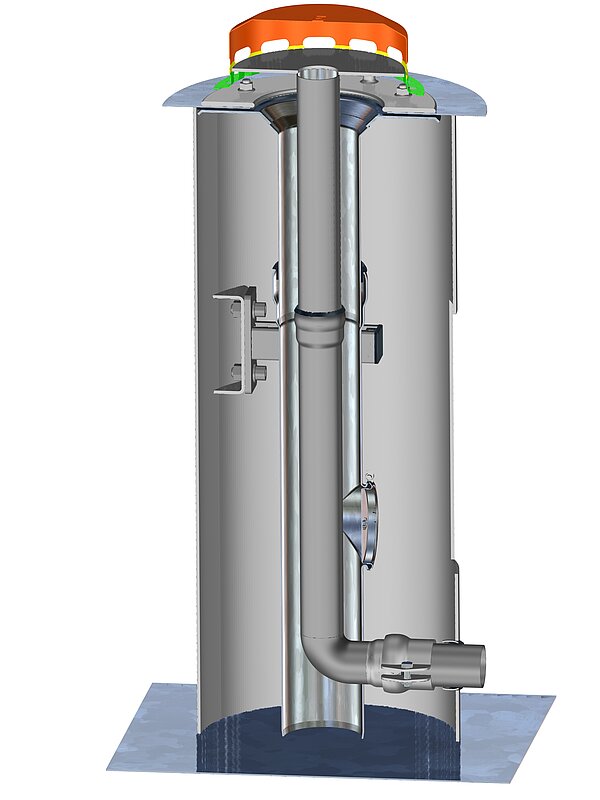
Pipe-in-pipe vertical
The LORO-X pipe-in-pipe principle has proven itself many times in parapet drainage and also offers decisive advantages for vertical drainage.
This allows the number of roof penetrations from the roof into the building to be reduced, as the emergency drainage with a separate flow path is routed through the same roof penetration.
For special roof drainage tasks - e.g., modern column drainage at central bus stations (ZOB) - safety and aesthetics of roof drainage are optimized.
News